If you have tried waxing, shaving, sugaring, depilatory creams, and the rest of the usual suspects, you already know the cycle. Smooth for a minute, then the clock resets. Laser hair removal breaks that loop by targeting hair at the root. Done right, it means far fewer sessions than waxing, less irritation than constant shaving, and long periods where you do not think about hair at all. The trick is choosing the right laser hair removal service, booking with intention, and managing a solid treatment plan so you get the best result for your skin and hair.
I have helped clients book their first laser hair removal consultation, sat through countless treatments in clinics and med spas, and seen the before and after over months, not just days. The difference between a great experience and a disappointing one often comes down to five decisions you make before your first laser hair removal appointment. Let’s walk through those, along with what to expect from your first laser hair removal session, what the laser hair removal cost really covers, and how to judge a laser hair removal clinic beyond the glossy marketing.
What laser hair removal actually does
The marketing language can be slippery. Most modern devices are FDA cleared for “permanent hair reduction.” Translation: you can expect a large and long term decrease in the number of hairs and in how coarse they are. “Permanent laser hair removal” as a phrase is common in ads, but in clinical language, most people see an 80 to 90 percent reduction after a full course, then occasional touch up sessions yearly or every few years. Hormones, age, and genetics matter. Face areas, especially in women with hormonal conditions, often need maintenance more often than legs or underarms.
Results vary based on the color contrast between your skin and hair, the type of laser hair removal machine used, how consistently you attend your sessions, and the skill of your practitioner. Even the best laser hair removal technology cannot see what is not there. Blonde, red, and white hairs lack enough pigment for current hair removal laser treatment to grab, so those hairs remain better candidates for electrolysis.
Clinic, med spa, or dermatologist office
You will see “laser hair removal clinic,” “laser hair removal spa,” and “laser hair removal med spa” across search results. The label matters less than who holds the device and how they select settings. In some states, only physicians or nurse practitioners can operate class IV lasers. In others, licensed laser technicians work under medical supervision. You want a place where:
- The consultation is not rushed, and a patch test is standard when there is any doubt about your skin response. Devices are maintained, with clear logs, and there is more than one wavelength available for different skin tones. A clinic that can switch between diode laser hair removal and Nd:YAG often handles a broader range of cases than a one device studio. Someone discusses your medications, recent sun exposure, and any history of keloid scarring. If they skip this, keep walking.
I have seen clients chase “laser hair removal near me” and book the first place with a discount. Convenience is nice, but proximity is not as valuable as experience. It is worth driving twenty minutes farther for a center that knows how to treat darker skin types safely or can tailor sessions for sensitive skin.
The core technologies and why they matter
Different lasers suit different skin and hair combinations. Ask what technology your provider uses, not just the brand name.
Diode laser hair removal, typically around 810 nm, has become a workhorse for many clinics. It offers a good balance for many skin types and hair colors, and it penetrates well for coarse hair on legs, underarms, and backs. It is common in full body laser hair laser hair removal Somerville near me removal packages because of its speed and efficacy.
Alexandrite laser hair removal, around 755 nm, is fast and excellent for lighter skin tones with dark hair. It is often the fastest option for large areas like leg laser hair removal or arm laser hair removal when the skin is light enough to be safe.
Nd:YAG laser hair removal, around 1064 nm, is the safer choice for deeper skin tones. The longer wavelength bypasses much of the epidermal melanin, so it reduces the risk of burns and hyperpigmentation. If you have dark skin and the clinic does not have an Nd:YAG option or cannot show strong before and after cases for similar skin, do not book there.
IPL devices are sometimes marketed as lasers, but they are intense pulsed light platforms. IPL can reduce hair, especially on lighter skin, but it tends to be less specific than a true laser. It can be fine for face laser hair removal on light skin or for maintenance, but if you have coarse hair or darker skin, a true laser is a better bet.

No machine does everything. The best laser hair removal clinic for you is the place that matches device to skin type, offers honest guidance about what your hair will do, and adjusts settings conservatively at first.
Areas, goals, and the reality of maintenance
Popular starting points are underarm laser hair removal and bikini laser hair removal, partly because the payoff is quick. Those areas respond well and are easy to treat in a short appointment. Men commonly ask for back laser hair removal and chest laser hair removal, sometimes with neck cleanup to sharpen a beard line. Women often add face laser hair removal in the upper lip or chin area to their plan, especially when waxing has caused ingrowns. Arms and legs are straightforward if you commit to the full schedule.
Full body laser hair removal packages sound efficient, and they can be, but ask how many areas the session includes, how long the chair time is, and whether the clinic rotates zones to avoid over treating. A sensible plan sometimes breaks large jobs into halves to keep the skin calm.
Expect different session counts by area. Lower legs might need 6 to 8 sessions, underarms 6 to 10, backs 8 to 12, faces often 8 to 12 because of hair cycles and hormones. Expect more if hair is very thick, if you have PCOS or other hormonal drivers, or if you miss appointments and let regrowth get ahead of the schedule.
Prices, packages, and finding value
Laser hair removal price varies widely by region, provider, and area size. A single small area can range from 50 to 150 dollars in a competitive market, while large areas like legs or back can run 200 to 400 dollars per session or more. Package deals can reduce the per session rate when you purchase 6 to 8 sessions upfront. Some clinics offer a laser hair removal monthly plan or subscription that spreads out payments and includes occasional touch ups. This can be a reasonable way to get affordable laser hair removal without chasing cheap laser hair removal offers that cut corners.
Discounts are not a problem when the clinic’s process is robust. Red flags are deep “unlimited” packages without clear time caps, or low promotional pricing that requires you to book at odd hours and accept the first available technician. Read the contract. Ask about refunds if your skin reacts and you have to stop. Ask if the package includes maintenance sessions after your primary series. Paying a fair laser hair removal cost for professional laser hair removal usually beats the frustration of a cheap series that leaves you under treated.
If you are comparing laser hair removal vs waxing on budget alone, do the math. Waxing a bikini line at 50 to 70 dollars every four to six weeks tallies up fast. Over two years, you might spend 600 to 1,000 dollars and still be waxing. A well planned bikini laser course might cost 600 to 900 dollars, with occasional touch ups after the first year.

Booking like a pro
Most clinics let you request a laser hair removal consultation online and complete a pre appointment questionnaire. Use that to your advantage by sharing details, not just checking boxes. If you are on acne medications, have had a recent chemical peel, use self tan, or have a history of pigment changes, say so. A good clinic will schedule a patch test and time your first laser hair removal session correctly.
Here is a simple path I have seen work well for first timers:
- Start with a consultation and patch test, not a same day treatment, if you have medium to deep skin tone, recent sun exposure, or known skin sensitivity. Ask what device and wavelength will be used for your skin type, and how they will adjust energy over sessions. Listen for a measured plan, not a sales script. Request real laser hair removal before and after photos for clients with similar skin and hair, ideally shot in consistent light. Decide on one or two areas for your first course rather than a full body jump, to learn how your skin behaves and set a rhythm. Book your first three appointments at once, spaced as recommended, so the calendar drives your results rather than the other way around.
Prep that pays off
Preparation makes a bigger difference than most people expect. Four simple habits can improve results and reduce side effects.
- Shave the treatment area 12 to 24 hours before your appointment. Leave a faint shadow so the technician can see growth direction, but avoid long stubble that can char and sting. Stay out of sun and tanning beds for two weeks before treatment, and skip self tanner for at least a week. The more contrast between hair and skin, the better. Pause exfoliants and retinoids on the area for 3 to 5 days before, and avoid chemical peels for 2 weeks. Calm skin handles the laser best. Skip heavy fragrances, deodorant on underarms, and body oils the day of treatment. Clean, dry skin lets the device glide and the energy land where it should.
What your first session feels like
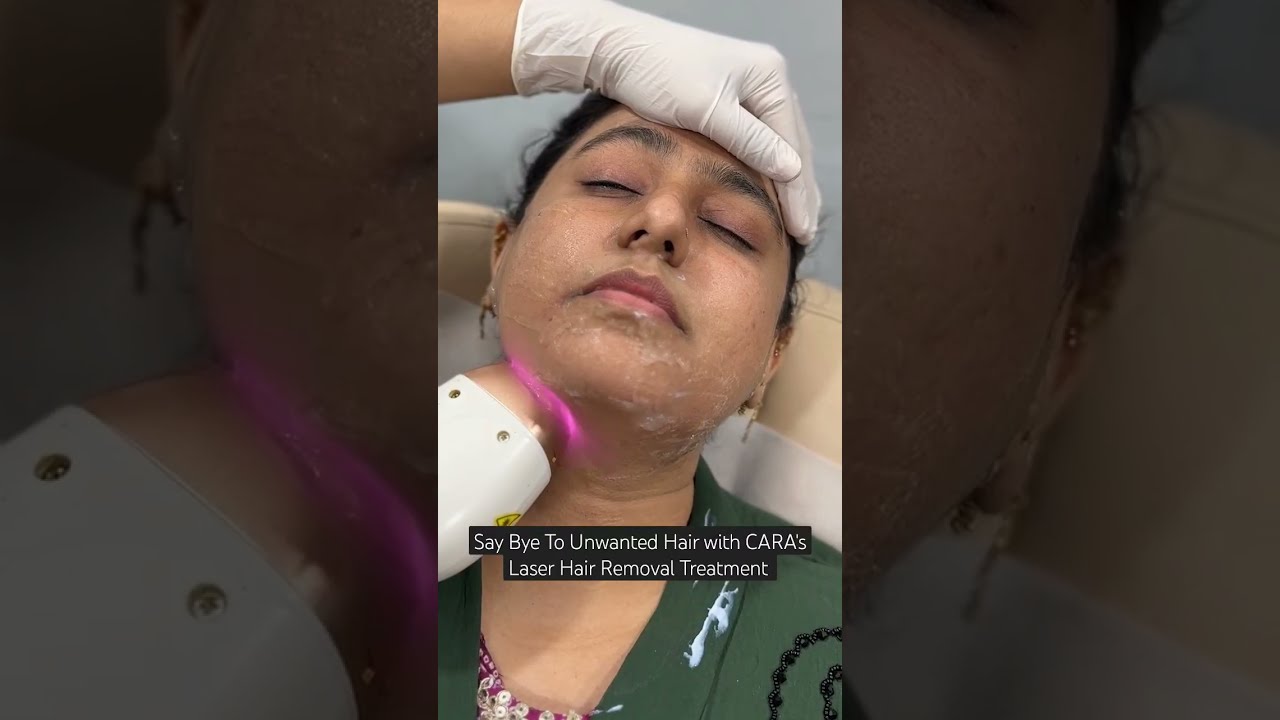
A typical laser hair removal procedure runs 10 to 20 minutes for small areas, 30 to 60 for large ones. You check in, review any changes in health or medications, and confirm that you shaved. The technician cleans the skin and marks border lines. Everyone in the room wears eye protection.
Most modern devices include cooling, either through a sapphire tip, chilled air, or bursts of cryogen. This changes the sensation more than anything else. Clients describe the feeling as a quick pinch followed by cool, or a rubber band snap with a cold breeze. Underarms and bikini can be a bit sharper, legs and arms less so. If you are nervous about discomfort, ask for a test pulse at a lower setting. Some clinics apply a topical anesthetic for sensitive areas, but cooling plus good technique is often enough for painless laser hair removal in practice.
Expect the technician to start conservatively, especially if the clinic has not treated your skin before. They may increase energy partway through if your skin remains calm and the hair response looks right. A light sulfur smell is normal. Small plumes of vaporized hair can rise on thicker areas. That is not your skin burning, it is hair at the surface reacting.
Aftercare, recovery, and what is normal
Right after a session, the treated area often looks like a mild sunburn. Follicles can puff slightly, like goosebumps, which is a good sign. Cooling packs help. Most redness fades within a few hours, sometimes a day or two. You can shower as usual, but use lukewarm water for the first day and switch to gentle cleansers if you are treating the face. Avoid gym workouts, hot yoga, saunas, and hot tubs for 24 to 48 hours to prevent irritation.
Common side effects include temporary redness, swelling around follicles, and mild itch. Less common but important risks are blistering, burns, hyperpigmentation, and hypopigmentation. These are more likely with recent sun, incorrect settings, or the wrong wavelength for your skin type. If you see dark stripes, persistent welts, or blisters, contact the clinic right away. Timing matters for soothing those reactions.
Resume sunscreen on exposed areas daily. If you are doing face laser hair removal, a fragrance free SPF 30 or higher is your best friend. Avoid picking at any tiny crusts that form. Hair will shed between days 7 and 14 on average. Do not mistake that for new growth. Let it fall out naturally. If you must remove hair between sessions, shave only. No waxing, plucking, or threading, because the laser needs that root in place for the next pulse.
Building a treatment plan that works
Hair grows in cycles. Laser targets follicles in their active growth phase, which is why spacing matters. Shorter intervals help on the face, where cycles are quicker, often every 4 weeks. Body areas like legs or back stretch to 6 to 8 weeks, sometimes 10. Your laser hair removal specialists should adjust the schedule based on hair density and what they see at each appointment.
Plan for 6 to 10 sessions for most body areas, with touch ups as needed. If you have very thick hair or conditions that stimulate growth, add 2 to 4 more. It is common to need maintenance sessions yearly for small areas that still sprout stubborn hairs. Think of this as laser hair reduction that resets your relationship with hair. You go from managing it weekly to once in a long while.
A detail people miss: as you progress, some clinics increase the fluence and reduce pulse width to keep pace with finer hair. Others change the number of passes or the size of the spot. These tweaks separate a seasoned practitioner from a novice. Ask how your settings will evolve. If each session feels identical despite clear change in hair, the plan may be on autopilot.
Safety, skin types, and honest contraindications
Laser hair removal safety comes down to good screening and the right device choice.
- Darker skin tones need Nd:YAG or conservative diode settings, not alexandrite. Do not accept a “we can try and see” approach with alexandrite on deep skin. Recent sun exposure increases risk. If you have been on a beach trip or used tanning beds, tell the clinic and consider delaying two weeks. Photosensitizing medications matter. Some antibiotics, isotretinoin within the past 6 months, certain antifungals, and St. John’s wort can change skin response. Tattoos cannot be lasered. The pigment absorbs laser energy. Providers should place shields and work around the ink, not over it. If you are pregnant, most clinics will postpone laser hair removal for women until after delivery. There is limited data in pregnancy, and hormonal shifts can change hair growth patterns.
If you have a history of melasma or post inflammatory hyperpigmentation, be cautious with face laser hair removal. Sometimes it is safer to target body areas first, then approach facial zones with conservative settings and diligent sun protection, or consider electrolysis for a few stubborn facial hairs that sit in sensitive pigment prone skin.
Reading reviews with a trained eye
“Top rated laser hair removal” and glowing laser hair removal ratings are nice, but read for the details. Look for mentions of specific technicians who adjusted settings thoughtfully. Notice whether darker skinned clients felt safe and respected. Pay attention to how the clinic handled rescheduling or a small adverse reaction. The best laser hair removal clinic is not the one with the prettiest waiting room, it is the one that can show consistent results in people who look like you and answers questions without defensiveness.
Photos help, but lighting tricks exist. Seek a consistent background, clear hair density at the same distance, and reasonable time spacing. If a clinic will not share any laser hair removal reviews beyond perfect five star snippets, take that as a cue to dig further.
Matching expectations to the area
Upper lip and chin respond, but they need discipline on timing. Many women expect the same speed as underarms and feel frustrated halfway through. You will see less shadow and slower regrowth after two to three sessions, but the clean snaps into focus later. Back and chest for men often need patience before the density drops. Ingrowns on bikini areas usually clear within one to two sessions, which is one of the most satisfying early wins. Leg laser hair removal brings a dramatic time savings once you notice you can go several days without a hint of stubble, then weeks.
If you are doing laser hair removal for beard sculpting, be precise with borders. Ask the technician to draw lines with you sitting and standing, then check them in a mirror. Beard lines drift if you do not mark landmarks like the Adam’s apple or jaw corner. A millimeter here or there is the difference between crisp and odd.
When laser is not your best option
Very light blonde, red, or gray hair lacks the pigment that current lasers target. If that is you, laser will not pick up enough energy to disable the follicle reliably. You can try a few sessions on high end devices and see modest reduction, but many end up disappointed. Electrolysis remains the gold standard for those hairs and for tiny zones that demand total removal, like a stray hair on a mole or small tattooed area that you cannot laser. Electrolysis is slow, hair by hair, but it is a true permanent removal method when performed by a professional.
The case for a professional over at home devices
At home devices promise safe laser hair removal, but most are IPL with low energy limits. They can help with maintenance when you have already reduced density professionally. They are less effective as a primary tool on dense or coarse hair. If you want fast laser hair removal for a wedding or summer, or you have sensitive skin that flares with shaving, invest in a qualified clinic first. Then use at home tools later to chase a few fine stragglers if you like.
Small factors that make a big difference
Timing your cycle can help with discomfort for bikini laser hair removal. Many women are more sensitive a few days before a period. Book mid cycle if you can. Hydration and sleep help the skin settle. If you are prone to ingrowns, ask your provider to recommend a gentle exfoliant to use between sessions, not right before or after. If you have darker skin, ask for a topical fade serum plan and aggressive SPF to reduce any risk of pigment changes around the hair removal zone.
In men with thick neck hair aggravated by collars and shaving, neck laser hair removal can feel transformative. The trick is starting higher on the neck than you think and stepping down gradually across sessions to avoid a sharp line. For back laser hair removal, plan your schedule around sports or beach time. Treat through the spring so you are not pausing mid summer when sun exposure is hard to avoid.
How to judge a consultation
A useful consultation feels like a thoughtful interview both ways. You should hear the technician or nurse explain how laser hair removal works, the number of sessions needed for each area, the rhythm of your laser hair removal process, and what the first two weeks will look like. They should ask about your past reactions to waxing or peels, your sunscreen habits, and any scars or pigment issues. You leave with a price for a single session and a package, not just a hard sell on a big bundle. If they mention laser hair removal deals or specials, great, but look for fairness and clarity over urgency.
Ask these simple questions and note the confidence in the answers. Which wavelength will you use for my skin type, and why? How will you modify my settings across sessions? What happens if I get a blister or pigment change? Do you include a touch up if we miss a small patch? Can I see your disinfecting protocol for goggles and handpieces? The answers reveal the difference between a polished sales pitch and a professional laser hair removal practice.
The long view, not the quick fix
The best experiences with laser hair removal come from treating it like a project. You make a plan, you show up on time, and you follow aftercare. You do not change providers mid course unless something feels wrong. You keep the schedule tight in the first half to knock down density, then you stretch intervals as hair thins. You think about affordable laser hair removal as value per month of not shaving, not just sticker price per session.
Laser hair removal for men and laser hair removal for women share the same physics, but the social context can be different. Men sometimes worry about pain or that it feels strange to book a med spa. Women often worry about facial hair emotional weight. A good clinic understands both. Everyone deserves a room where they are not rushed and where the hair story is just a set of facts to solve.
If you do this well, you will step out of the shower months from now and realize you cannot remember the last time you shaved your underarms, or that summer sand no longer means razor burn on your bikini line. That ease is the real product. Book your laser hair removal appointment with intention, choose a team that respects your skin, and let a quiet calendar do the rest.